

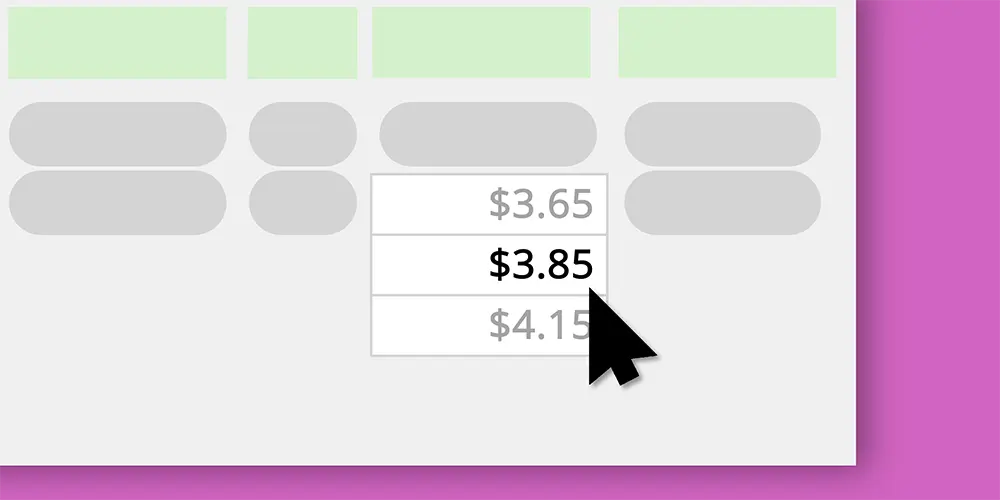
In competitive markets, a one-size-fits-all pricing strategy rarely maximizes revenue or customer satisfaction. Differential pricing—offering different prices for the same products or services to different customers—is a smart, strategic approach that can help businesses close more deals, improve profitability, and better serve a wider range of customers.
Let’s take a closer look at what differential pricing is, why it works, and how to apply it effectively.
What Is Differential Pricing?
Differential pricing means setting different prices for the same item based on certain customer-specific factors.
These differences can be based on:
- Purchase volume
- Customer segment (e.g., enterprise vs. small business)
- Contract terms (e.g., longer commitment = better pricing)
- Geographic location
- Timing of the purchase
- Customer relationship strength or strategic value
Rather than having a single published price, businesses apply strategic flexibility to maximize sales opportunities without undermining their overall pricing integrity.
Why Differential Pricing Makes Sense
1. Win More Deals
Not every customer has the same budget or needs. Offering customized pricing options lets you accommodate price-sensitive buyers without losing premium buyers willing to pay more for added value.
2. Maximize Revenue and Margins
Different customers value your offerings differently. Flexible pricing allows you to extract maximum willingness to pay from customers with higher budgets while still serving cost-conscious segments profitably.
3. Strengthen Key Relationships
Strategic customers—those who offer long-term growth, referrals, or brand prestige—can be rewarded with preferential pricing to build loyalty and lock in future business.
4. Stay Competitive
In industries with aggressive competition, differential pricing allows you to meet or beat offers selectively—without needing to lower prices for your entire customer base.
5. Fill Gaps and Manage Inventory
If you have excess inventory or seasonal service capacity, offering special pricing to select customers helps move product without damaging your overall price positioning.
When to Offer Differential Pricing
While it can be powerful, differential pricing must be used carefully. Here’s when it makes sense:
- Large Volume Deals: Offer better rates to customers purchasing in larger quantities.
- Early Commitment: Provide discounts to customers willing to sign long-term contracts early.
- Strategic Accounts: Use custom pricing to win and retain high-value strategic customers.
- Geographic Expansion: Offer market-entry incentives in new territories without affecting mature markets.
- Competitive Threats: Match competitive offers where necessary, but limit these to specific cases.
How to Implement Differential Pricing Successfully
Protect Standard Pricing Integrity
Publicize standard pricing externally and keep special prices discreet and customer-specific to avoid undermining your published rates.
Define Clear Guidelines
Create separate price types (large account pricing, dealer pricing, etc.) for each product or service and clearly define who qualifies for which price type.
Use the Multiple Pricing Feature in TeamGram CRM Premium
With multiple pricing, you can create multiple pricing types in TeamGram CRM and then enter different prices in the products section for each price type for any product or service.
Automate Price Selection with Tags in TeamGram CRM
Your system administrator can set up multiple pricing so that certain price types are automatically applied to customers carrying certain tags. This prevents offering the wrong price to the wrong customer and speeds up quoting.
Final Thought
Differential pricing, when used thoughtfully, helps you close more deals, serve a broader customer base, and maximize revenue—all without sacrificing profitability or brand positioning.
The key is discipline: clear rules, strong CRM tracking, and smart messaging.
Treat pricing flexibility as a strategic tool—not a reflex—and your sales results will show it.