

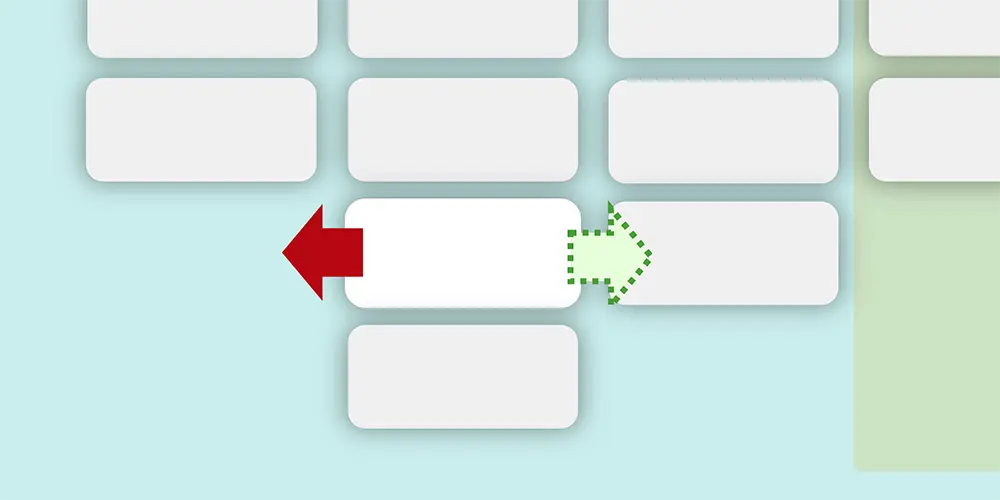
In a real-world sales process, opportunities don’t always move smoothly from one stage to the next—and that’s perfectly normal. To keep your pipeline accurate, actionable, and reliable, sometimes you must move deals back to an earlier stage.
While occasional backward movement is part of a healthy pipeline, if it starts happening frequently, it’s worth a closer look. If you often find yourself shifting opportunities back, talk with your manager. There may be simple adjustments to your sales process—or to how stages are defined—that could prevent premature advancements and unnecessary walk-backs.
Common Reasons Opportunities Move Back
Several real-world situations can force an opportunity to revert to an earlier stage:
- Changing Customer Needs: New requirements may emerge, requiring a fresh discovery or solution fit discussion.
- New Decision-Makers: Changes in the customer’s organization often mean you must requalify the opportunity.
- Budget Issues: Funding delays can push the deal back to earlier planning or qualification stages.
- Major Objections: Unexpected concerns may surface that require revisiting your value proposition.
- Loss of Momentum: If an opportunity stalls, you may need to go back and reestablish engagement.
Moving opportunities backward ensures your pipeline reflects reality—not wishful thinking.
Why Moving Backward Is Smart Pipeline Management
Moving a deal to an earlier stage isn’t a setback—it’s good practice. Here’s why:
- It keeps your pipeline realistic: Accurate stages lead to better forecasting and stronger decision-making.
- It highlights where support is needed: Managers can spot struggling deals earlier and provide targeted coaching.
- It saves time: You avoid wasting effort on deals that aren’t ready to move forward.
- It builds credibility: Honest reporting strengthens internal trust—and helps you maintain professionalism with customers.
How to Move an Opportunity Back in TeamGram CRM
TeamGram CRM makes it easy to adjust a deal’s position while keeping all stakeholders informed. Here’s the best way to do it:
- Drag and drop the opportunity to the appropriate earlier stage.
- Write a note explaining why you moved it back—provide enough context for others to understand.
- Review the outlook tag: If the tone of the relationship has shifted, update the outlook accordingly.
- Update value or expected close date if necessary to reflect the current situation.
Important Reminders
- Communicate openly: Especially for high-value or late-stage deals, always inform your manager when moving a deal backward.
- Stay proactive: Don’t just move it back—set new activities to requalify, reengage, or reposition the opportunity.
- Correct promptly: Move opportunities back as soon as you recognize the need. Delaying updates only damages pipeline accuracy.
Final Thought
Moving an opportunity backward doesn’t mean failure—it means you’re managing your pipeline with honesty and precision. Top-performing account executives don’t force deals forward at all costs; they guide opportunities through the right steps, even if that means taking a few steps back first.
Reflect reality in your pipeline. Close smarter.